The Art of Combining Hardscaping and Softscaping for Perfect Harmony
A truly breathtaking landscape design relies on a fundamental principle: the balance of opposites. In the landscaping world, this means finding the perfect harmony between hardscaping (the heavy, non-living elements like stone, pavers, and gravel) and softscaping (the soft, living elements like turf, trees, and flowers).
If a yard has too much hardscape, it feels cold, commercial, and unwelcoming. If it has too much softscape without structure, it can feel chaotic, overgrown, and lack functional living space. At TurfCraft Innovations, our expertise lies in blending these two forces to create stunning, unified outdoor living spaces.
Here is how we master the art of combining hardscaping and softscaping:
1. Using Softscape to Soften Hard Edges
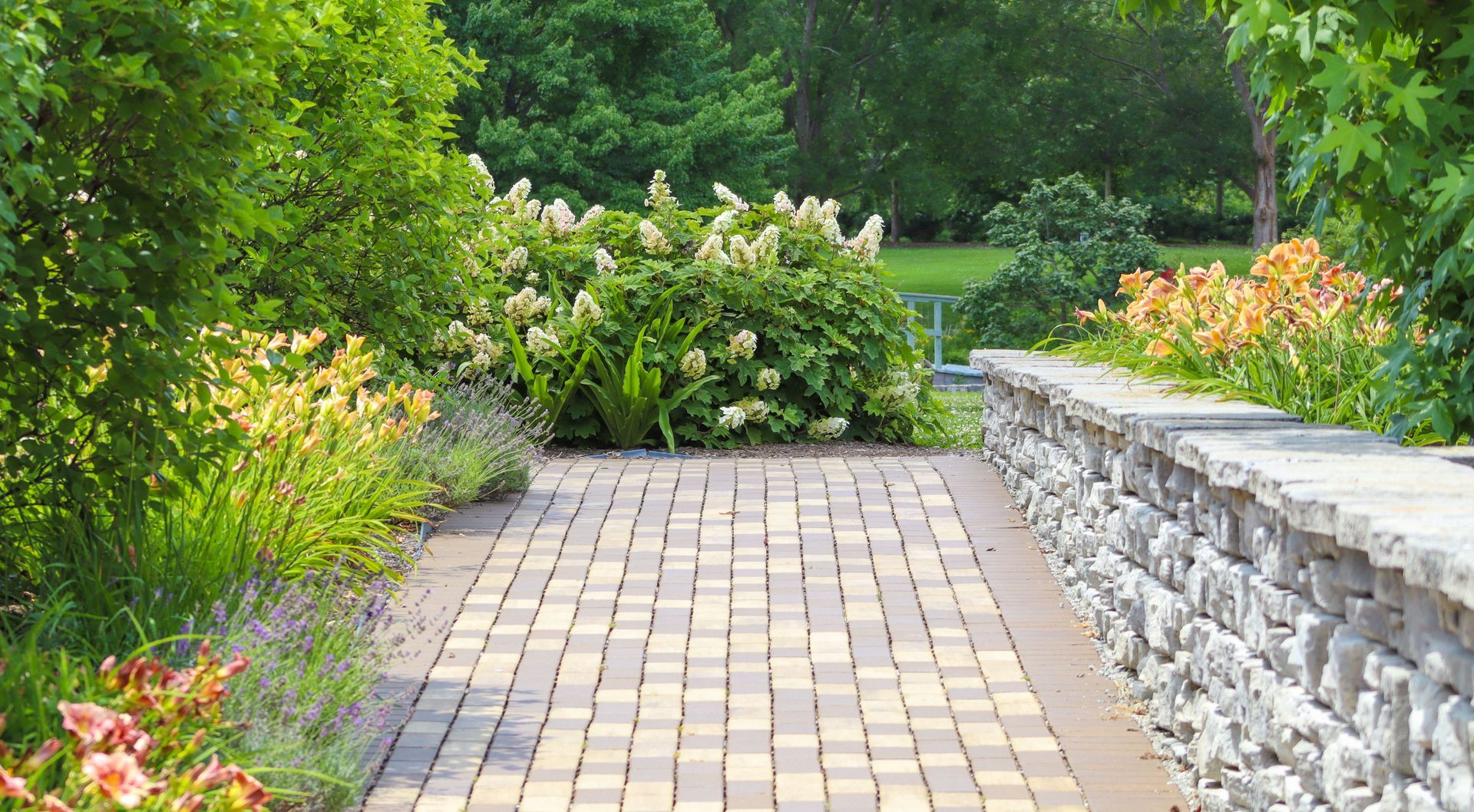
Paver patios, stone walkways, and retaining walls inherently feature straight, rigid lines. While these lines provide essential structure, they need to be softened to feel inviting.
- The Technique: We intentionally bring softscaping right up to the edges of the hardscaping. The most striking way to do this is by bordering a crisp, geometric paver patio with a lush, perfectly manicured artificial turf lawn. The soft, green texture of the grass spilling slightly toward the stone creates a beautiful juxtaposition that softens the entire space. We also use creeping ground covers or low-profile border plants to blur the lines where walkways meet garden beds.
2. Using Hardscape to Frame and Highlight
Conversely, hardscaping is the perfect tool for framing and highlighting your best softscape features.
- The Technique: Think of hardscaping as the picture frame and softscaping as the art. A beautiful specimen tree or a vibrant flower bed commands more attention when it is cleanly bordered by a decorative gravel path or a low paver sitting wall. The hardscape provides a visual boundary that tells the eye exactly where to look.
3. Coordinating the Color Palette
The colors of your stone and pavers should work in tandem with the colors of your greenery.
- The Technique: We look for complementary color profiles. For example, if we use warm, tan, or terra-cotta pavers, we might pair them with plants that feature deep greens or warm-colored blooms to create a cohesive, earthy feel. If we use modern, cool-gray pavers or bright white gravel, a vibrant, emerald-green artificial turf pops brilliantly against it, creating a crisp, contemporary aesthetic.
4. The Rule of Proportion
Achieving harmony means ensuring neither the hard nor the soft elements overpower the yard.
- The Technique: When designing a large patio for entertaining, we make sure to integrate "pockets" of softscaping. This might involve leaving geometric cutouts in a paver patio to plant a tree, or designing raised planter boxes built from the same retaining wall block used elsewhere in the yard. This ensures that even in areas dominated by stone, nature is always present.
Creating perfect harmony in your landscape is an art form that requires experience, an eye for design, and an understanding of materials. Let the team at TurfCraft Innovations design a balanced, beautiful oasis that blends the best of both worlds.
More Blogs