How to Incorporate Hardscaping into Your Landscape Design Seamlessly
The most beautiful and inviting landscapes have a secret: they feel intentional and harmonious. The patios, walkways, and green spaces don't feel like separate, disconnected pieces; they flow together as one cohesive design. This seamless integration is the hallmark of professional landscape design, and it’s achieved by thoughtfully blending hardscaping (the non-living elements) with softscaping (the living elements).
A paver patio simply dropped into the middle of a yard can feel jarring. But when designed with purpose, it can look as though it has always been a natural part of the home. At TurfCraft Innovations, creating this seamless flow is at the core of our design philosophy. Here’s how to do it right.
1. Start with Function to Create Natural Flow
Before you choose a single paver, think about how you live in your yard. Where do people naturally walk? Where is the best spot for morning sun or afternoon shade?
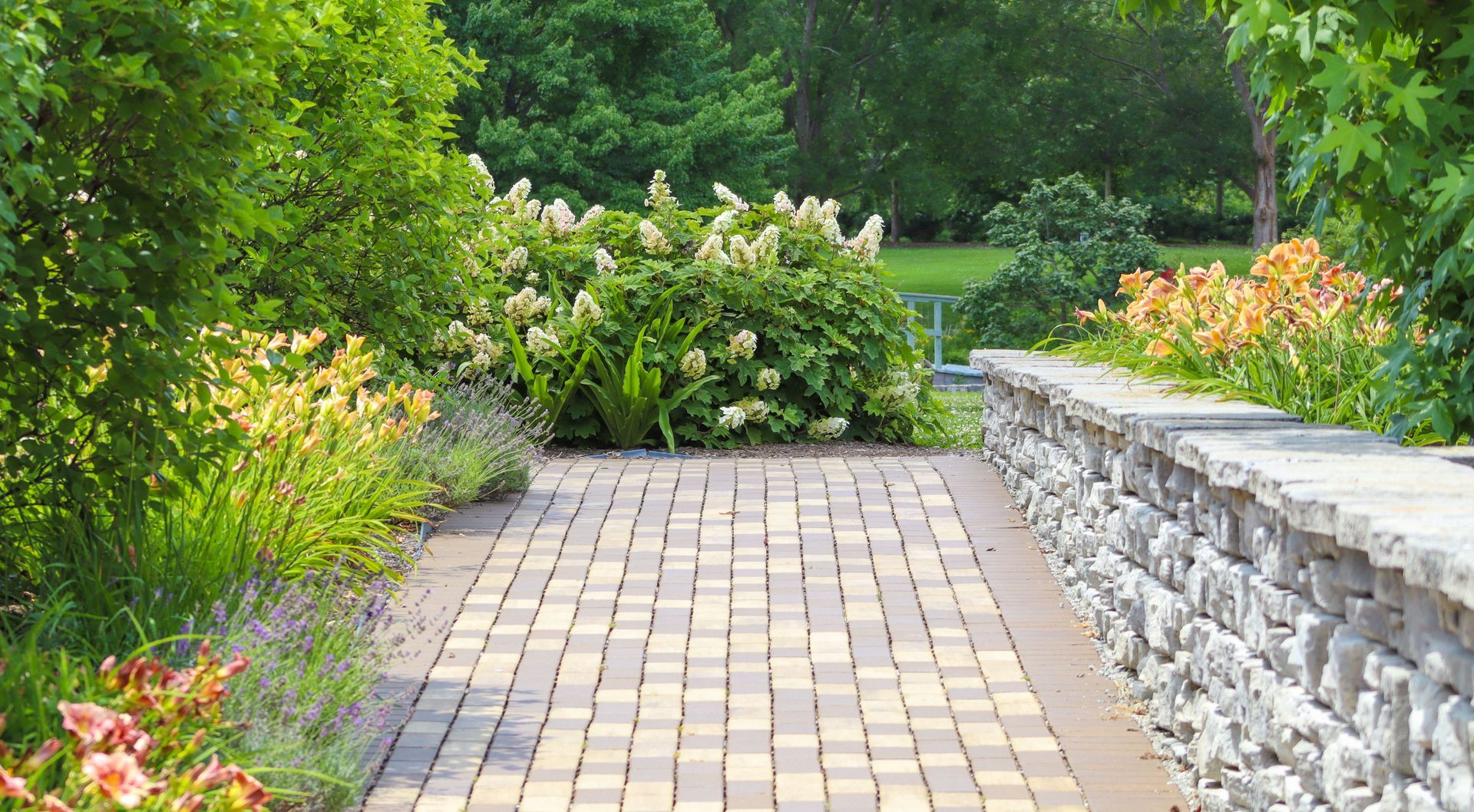
- Design for Pathways of Desire: Your walkways should follow the most logical routes—from the back door to the gate, or from the patio to a garden shed. When a hardscape path follows a natural flow of traffic, it instantly feels integrated.
- Create Outdoor "Rooms": Use your patio to create a dedicated zone for dining or lounging. Its location should feel like a natural extension of your indoor living space, encouraging a seamless transition from inside to out.
2. Create a Cohesive Color and Material Palette
To make your hardscaping look like it belongs to your home, it needs to complement your home's exterior.
- Match the Tone: Look at the primary materials of your house. If your Houston home has warm-toned brick, choose pavers in complementary earthy shades like tans, browns, or reds. For a modern home with cool gray siding, pavers in shades of charcoal, slate, or blue-gray will create a harmonious look.
- Limit Your Materials: Avoid using too many different, competing materials. Sticking to a primary paver for patios and a complementary gravel or stone for accents creates a clean, uncluttered, and professional look.
3. Soften the Edges Where Hard Meets Soft
The transition point between your hardscape and softscape is the most critical area for creating a seamless look. Abrupt, hard edges can feel stark and unnatural.
- Embrace the Curve: Unless you are aiming for a very formal, geometric design, incorporating gentle curves into the edges of your patio or walkway can help it blend more naturally into the surrounding landscape.
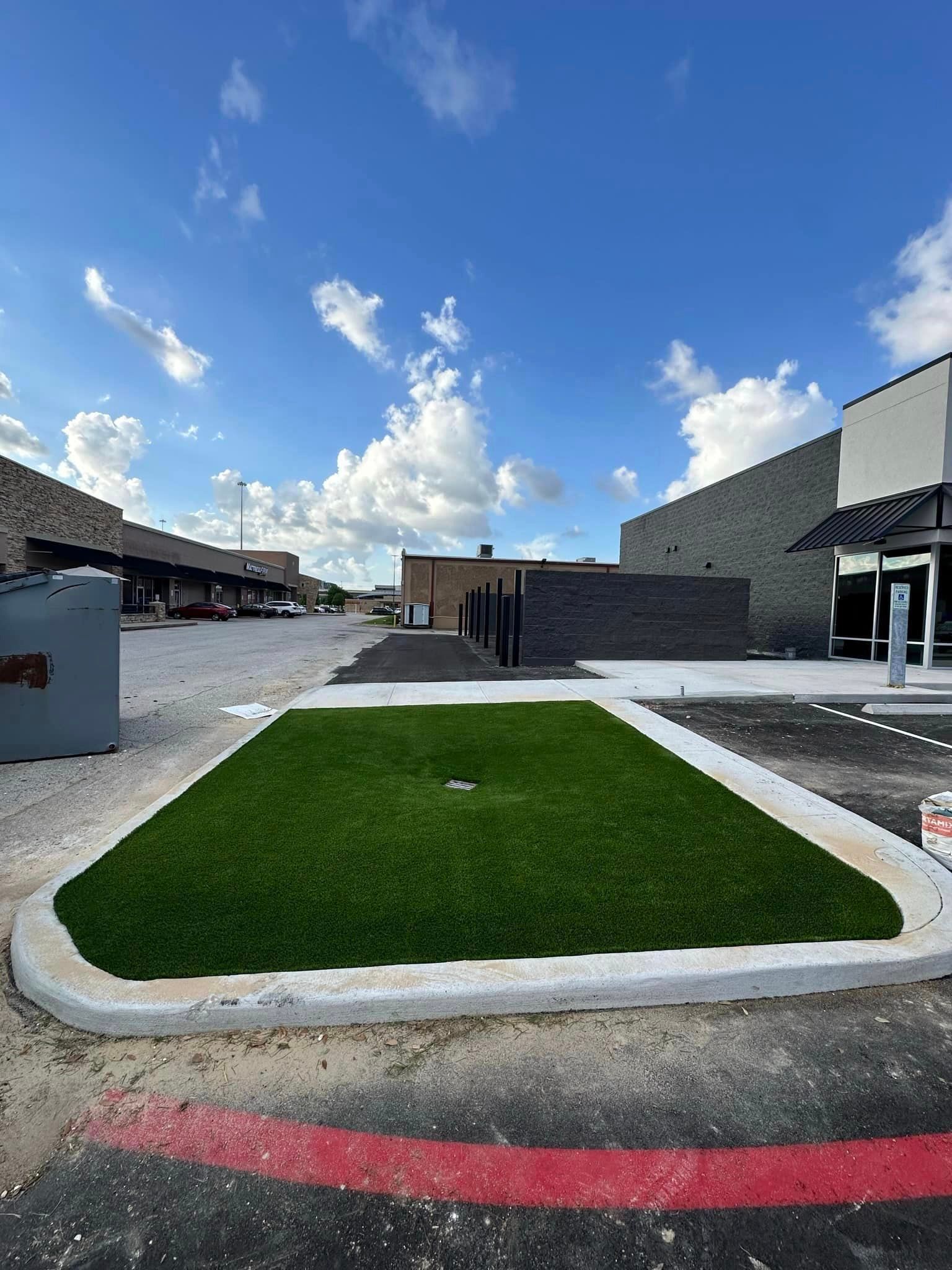
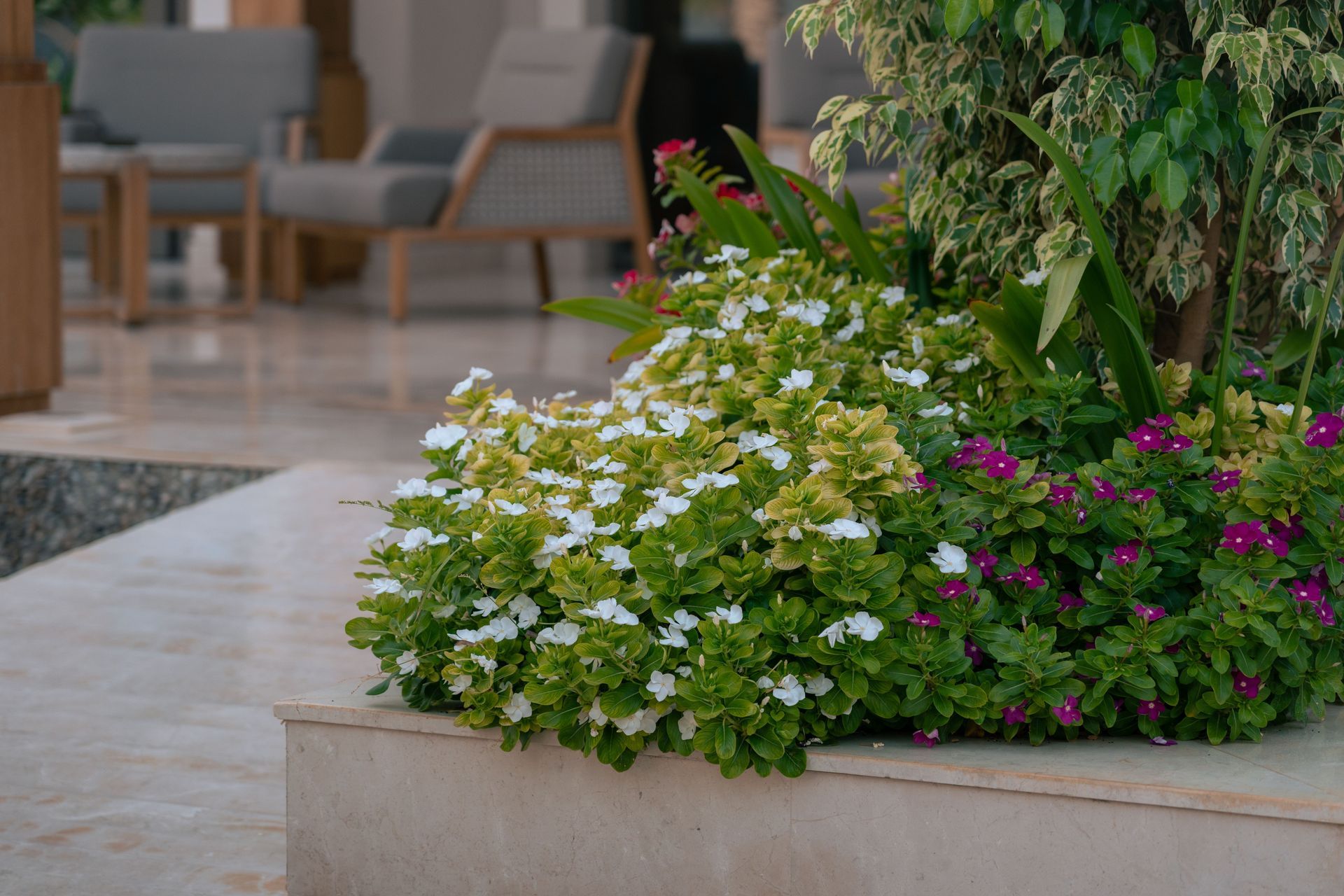
- Use Greenery as a Border: The absolute best way to soften a hard edge is to border it with green. Nestling your paver patio up against a lush, vibrant artificial turf lawn creates a beautiful, high-contrast transition that is clean, sharp, and intentional. The consistent green of the turf provides a perfect frame for the texture of the pavers.
4. Get the Proportions Right
Balance is key to good design. The size of your hardscaped areas should be in proportion to the rest of your yard. A massive patio in a tiny yard can feel overwhelming, while a small patio in a sprawling space can feel lost. A well-proportioned design ensures that the hardscape and softscape elements feel balanced, giving each element room to shine without dominating the other.
The Takeaway: Design with Connection in Mind
Seamless hardscape integration isn’t about a single secret trick; it’s about a holistic approach to design. It's about thinking of your yard as a single, unified space where every element has a purpose and connects logically to the next.
Ready to design a landscape that flows beautifully from your doorstep to the back fence? The experts at TurfCraft Innovations can help you create a perfectly balanced and seamlessly integrated outdoor living space.
More Blogs